Five Diamonds, Five Revolutions: The Rec Leagues Where Queer Players Found the Game Again
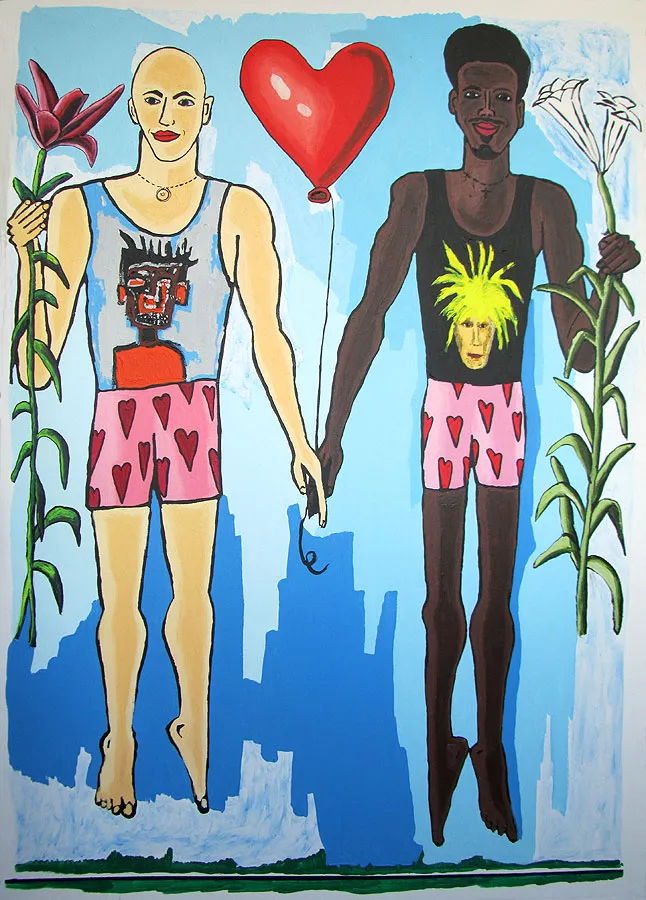
Photo: Raphael Perez Israeli Artist, CC BY 2.0, via Wikimedia Commons
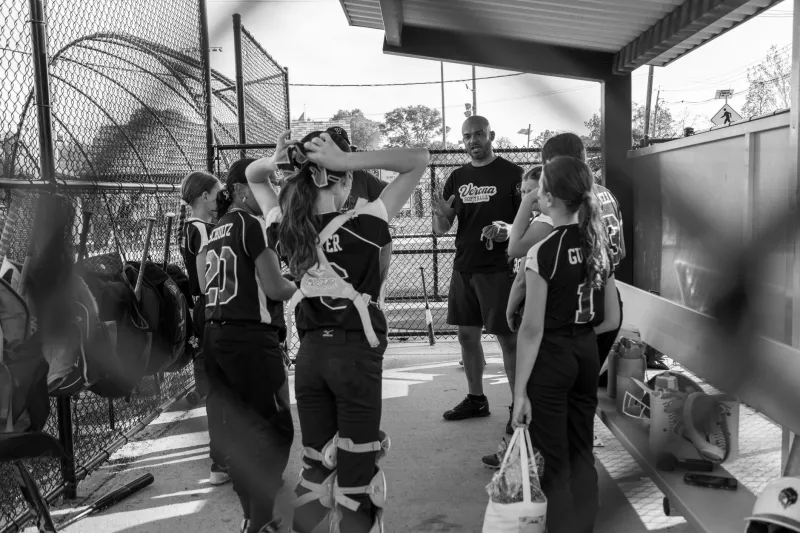
Ask anyone who plays in an LGBTQ+ rec league why they joined and you'll rarely hear about winning. You'll hear about the year they quit baseball as a kid because the dugout got cold. Or the softball league they left after a teammate's "jokes" got relentless. Or simply that they wanted to play catch in the sun without doing math about who was safe to be themselves around.
Then they found a league. And the game came back.
Across the country, queer recreational softball and baseball is having a moment — new leagues forming, rosters swelling, old leagues thriving. Here are five that tell the story.
1. Chicago — The Granddaddy of Them All
The Windy City's LGBTQ+ softball scene goes back to the late 1970s, when queer players who'd been pushed out of bar leagues and church leagues built their own. What started as a handful of teams is now a multi-division institution with hundreds of players, competitive and recreational brackets, and a season-ending tournament that's basically a family reunion. The league's longevity is the point: it has outlasted bars, administrations, and more cultural shifts than anyone can count.
2. New York — Big City, Bigger Rosters
The Big Apple's queer softball community runs deep, with leagues connected to the broader Gay Softball World Series movement that's been crowning champions since 1977. What makes the New York scene distinctive is its sheer scale — dozens of teams across skill levels, from folks picking up a glove for the first time at 35 to former college players still raking. The city's league also became a lifeline during the pandemic, when outdoor sports were among the first things queer New Yorkers were allowed to do together again.
3. Phoenix — The Sun Belt Surge
Here's where the growth story gets interesting. A queer softball league in the Phoenix area launched in recent years and exploded almost immediately, adding teams every season as word spread through the desert's rapidly growing LGBTQ+ community. The Southwest has long lacked the rec infrastructure of coastal cities, which makes this league less a copy of the old guard and more a statement: the map of queer ball is expanding, and fast.
4. Atlanta — Southern Belles of the Ballpark
Atlanta's league operates in a part of the country where being out in a rec sports league still carries weight. Players describe a culture that's deliberately welcoming — flexible roster rules, explicit anti-discrimination commitments, and a social calendar that turns teammates into a chosen family. In a region where queer community spaces can be scarce, the diamond doubles as a gathering place.
5. Seattle — Where the Rain Can't Dampen It
The Emerald City's queer softball association has been around long enough that second-generation players are now suiting up. Its signature move is accessibility: loaner equipment, beginner clinics, and scholarship-style fee waivers that keep cost from being the barrier it so often is in youth sports. The result is a league that looks like the actual community — all ages, all backgrounds, all skill levels.
Why It's Growing
Part of the boom is demographics — more out players, more cities with critical mass. But part of it is simpler: people are done waiting for traditional leagues to make room. If the church league won't have you and the company team makes you flinch, you build your own Tuesday night under the lights.
And here's the kicker for traditional baseball: these leagues are producing fans. Season-ticket holders, little league coaches, travel-ball parents. The game's future is being quietly built on rec diamonds by players the sport once turned away. It'd be smart of baseball to notice.