When the Rainbow Comes Down: The Stadium Workers Who Live With Pride Night's Aftermath
Photo: Johnnyh24., CC BY 3.0, via Wikimedia Commons
The final out of Pride Night is always the same. The organ plays something upbeat, the last stragglers drift toward the exits, and a crew of stadium employees starts pulling down rainbow banners that took weeks to hang.
Nobody films that part.
But for the LGBTQ+ people who work in the ballpark — the beer vendors, the ticket-takers, the ushers who know every section by heart — what happens after the theme night says far more about a team's values than anything printed on a promotional schedule.
The Morning After
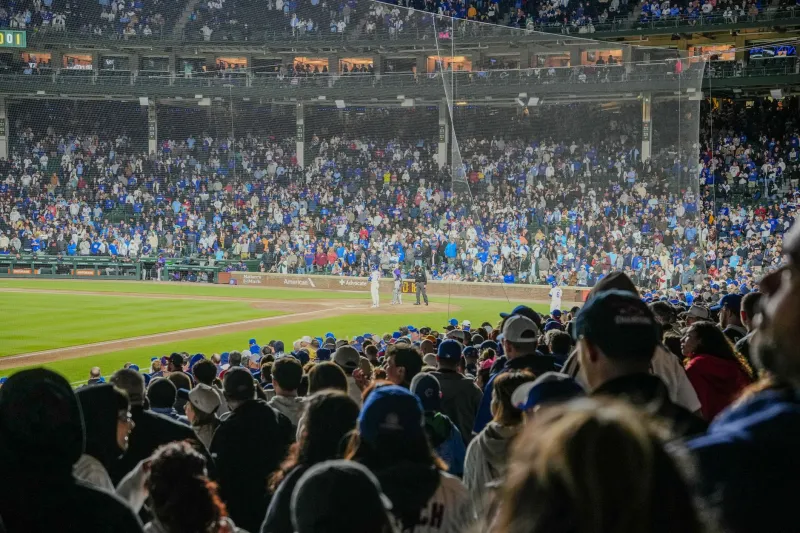
Talk to stadium workers around the league and a pattern emerges. Pride Night itself is usually lovely. The crowds are warm, the giveaways are popular, and for a few hours the building feels like it belongs to everyone.
Then Tuesday comes.
"You go from a rainbow on the videoboard to coworkers who haven't said two words to you all season," one longtime concessions worker at an NL ballpark told us, asking not to be named because she's not authorized to speak for the team. "The flags come down and it's like, okay, back to normal. And normal isn't always great."
That gap — between the performative and the lived — is where most teams still fall short. Theme nights are marketing events with budgets and brand approvals. Workplace culture is a hundred small daily choices, and no one's putting those on a bobblehead giveaway.
Season-Ticket Holders in the In-Between
For LGBTQ+ fans who sit in the same seats for 81 games, Pride Night can feel oddly bittersweet. It's their night, sure — but it's also the one night their section fills with people who don't usually come to the park, and the other 80 nights can feel like a different country.
"I love Pride Night," says Marcus, a season-ticket holder with a west coast club who's held his pair of seats for eleven years. "But I also know that the guy two rows behind me who yells slurs at the outfield in April? He's back in May. Nobody's theme night is about him."
That's the uncomfortable math. A single celebratory evening can coexist, year after year, with a fan culture that hasn't budged. Visibility without accountability is just decoration.
What Teams Could Actually Do
The good news: the fixes aren't mysterious, and some clubs are already moving.
Hire and protect year-round. Several organizations now include explicit gender identity and sexual orientation protections in stadium-employee handbooks and back up those policies with real reporting channels. The teams that get it right treat inclusion as an HR function, not an events function.
Keep the partnerships past June. The strongest Pride Nights are the ones attached to local LGBTQ+ community centers, youth leagues, and charities that get funded and promoted all season. A check cut in July and forgotten by August is a transaction. A standing partnership is a relationship.
Train the people on the concourse. Ushers and security staff are the front line against heckling and harassment. Teams that invest in real bystander-intervention training — not a laminated card, an actual workshop — see the difference in the stands.
Let employees lead. The most authentic theme nights we've heard about were shaped by LGBTQ+ staff advisory groups, not outside agencies. When the people who work in the building design the night, it stops feeling like a sales pitch.
The Bar Keeps Moving
Here's the thing: fans can tell the difference between a team that celebrates queer fans and a team that markets to them. The first group shows up in October, in hiring, in the concourse, in the small moments when nobody's watching the brand.
The rainbow flags will come down the night after Pride, same as always. The question is whether anything else stays up with them.